
What Is Lupus?
Lupus is a long-term autoimmune condition in which the immune system, which normally defends the body against infections, mistakenly attacks healthy tissue. Lupus can affect the skin, joints, kidneys, heart, lungs, and other parts of the body. Symptoms vary widely from person to person because lupus can affect different organs and body systems. Some people experience milder symptoms like joint discomfort or fatigue, while others may develop symptoms that affect internal organs. Recognizing possible symptoms, such as unexplained rashes, swelling, or ongoing fatigue, can help you seek an evaluation sooner and begin a care plan to control symptoms and monitor for organ involvement.
Types of Lupus
Systemic Lupus Erythematosus (SLE)
SLE is the most common form of lupus and can affect multiple organs, including the heart, kidneys, joints, and skin. Symptoms vary widely, and early diagnosis is important to manage inflammation and may help reduce the risk of organ damage by enabling earlier treatment.
Cutaneous Lupus
Cutaneous lupus mainly affects the skin; sun exposure often worsens symptoms. Some patients have or later develop systemic disease, so dermatologic care plus rheumatology follow-up are important.
Drug-Induced Lupus
Drug-induced lupus occurs when certain medications trigger lupus-like symptoms, such as joint pain, rashes, or fatigue. Symptoms usually improve within weeks after stopping the medication, though some people may take longer. Monitoring and supportive care may still be recommended.
Neonatal Lupus
Neonatal lupus is a rare condition in newborns linked to the transfer of specific maternal antibodies during pregnancy. It is associated with maternal anti-Ro/SSA and anti-La/SSB antibodies. It can cause skin rashes, liver problems, or low blood cell counts. Many symptoms improve over time, but some babies can develop heart rhythm problems (congenital heart block) that require specialist monitoring and may be permanent.
Common Signs of Lupus
Fatigue That Does Not Improve With Rest
Fatigue in lupus is more than normal tiredness. Even after sleeping or resting, people may feel exhausted, weak, or low on energy. This persistent fatigue can make daily activities, work, or school challenging. Tracking when fatigue occurs can help clinicians identify patterns and better understand how symptoms affect daily life and disease activity.
Swelling in the Joints or Persistent Joint Pain
Lupus often causes joint inflammation, leading to swelling, stiffness, and pain. It can affect hands, wrists, knees, or other joints, making movement difficult. Joint symptoms may come and go, sometimes appearing in one area and later in another. Documenting flare-ups can help healthcare providers adjust care and address inflammation over time.
Red, Butterfly-Shaped Rash Across the Cheeks and Nose
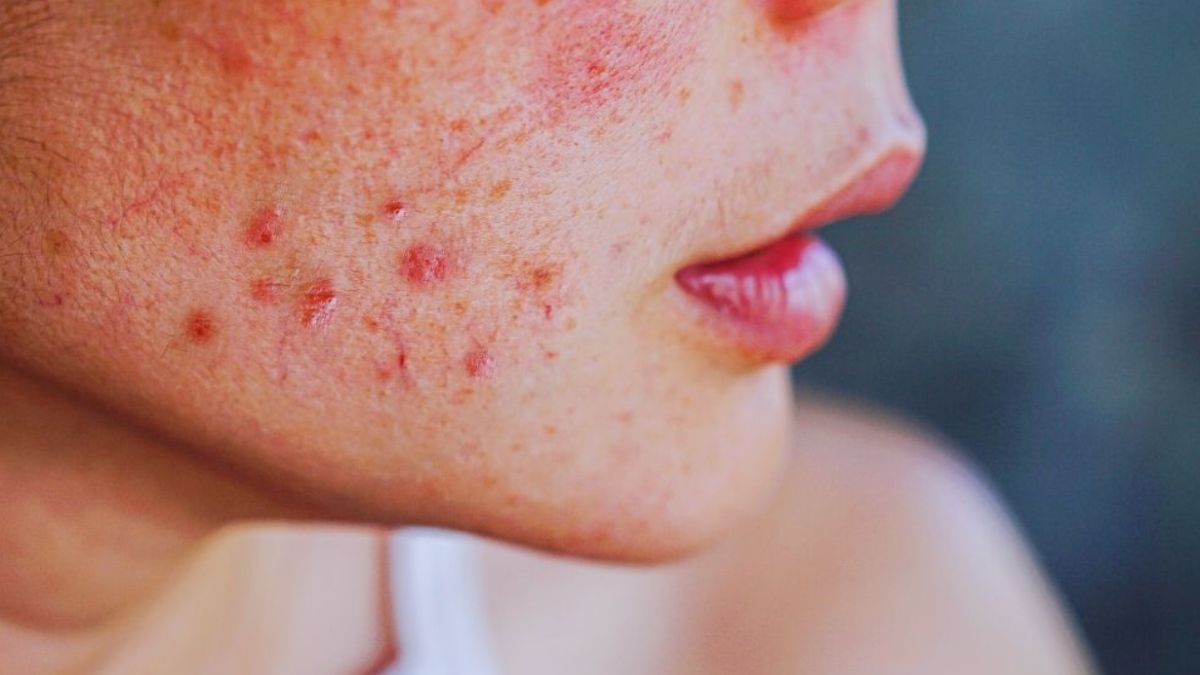
A butterfly-shaped facial rash is a classic lupus sign. It typically spreads across the cheeks and bridge of the nose and may worsen with sun exposure. The rash can appear suddenly and may be accompanied by other skin changes, such as redness or scaling. Recognizing this rash can help prompt an earlier evaluation for lupus.
Fever Without Infection
Many people with lupus experience unexplained fevers. Unlike fevers caused by infections, lupus-related fevers occur without an obvious reason. This symptom may signal inflammation in the body or an impending flare. Tracking fever patterns can provide important clues for doctors when diagnosing and managing lupus.
Hair Loss or Thinning
Lupus can cause hair to fall out gradually or in patches. The scalp, eyebrows, or other areas may be affected. Hair loss may worsen during flares and improve when the disease is controlled. Monitoring hair changes helps doctors evaluate disease activity and adjust treatment plans accordingly.
Sensitivity to Sun Exposure (UV)
Many people with lupus develop rashes or experience flare-ups after sun (ultraviolet) exposure. Ultraviolet light can trigger inflammation, worsen skin symptoms, and increase discomfort. Using sun protection, such as sunscreen, hats, and clothing, is important to reduce flares and support overall lupus management.
Chest Pain or Shortness of Breath
Lupus may affect the heart or lungs, causing chest pain, pressure, or difficulty breathing. These symptoms can indicate inflammation in the lining of the lungs or heart, fluid buildup, or other complications related to lupus. Prompt medical evaluation is important because these symptoms can signal inflammation or complications that may need timely care.
Why Early Detection Matters
Early detection can help in several ways:
- May help reduce the risk of organ damage by enabling earlier treatment and monitoring
- Support earlier symptom control
- Guide lifestyle adjustments and monitoring
- Enable earlier management of complications, especially when the kidneys or heart are affected
Medications for Lupus
Medications may play an important role in lupus care. Options may include:
- Nonsteroidal anti-inflammatory drugs (NSAIDs)
- Antimalarial drugs (e.g., hydroxychloroquine)
- Corticosteroids
- Immunosuppressants (e.g., azathioprine, mycophenolate, cyclophosphamide)
- Biologic therapies (e.g., belimumab, anifrolumab)