Types of Lupus
Systemic Lupus Erythematosus (SLE)
SLE is the most common and complex form of lupus, affecting the skin, joints, kidneys, and other organs. Early evaluation, continuous monitoring, and individualized care help protect organ function and reduce flares. Treatment often includes medication support along with lifestyle and nutritional strategies to reduce inflammation and stabilize symptoms.
Cutaneous Lupus Erythematosus (CLE)
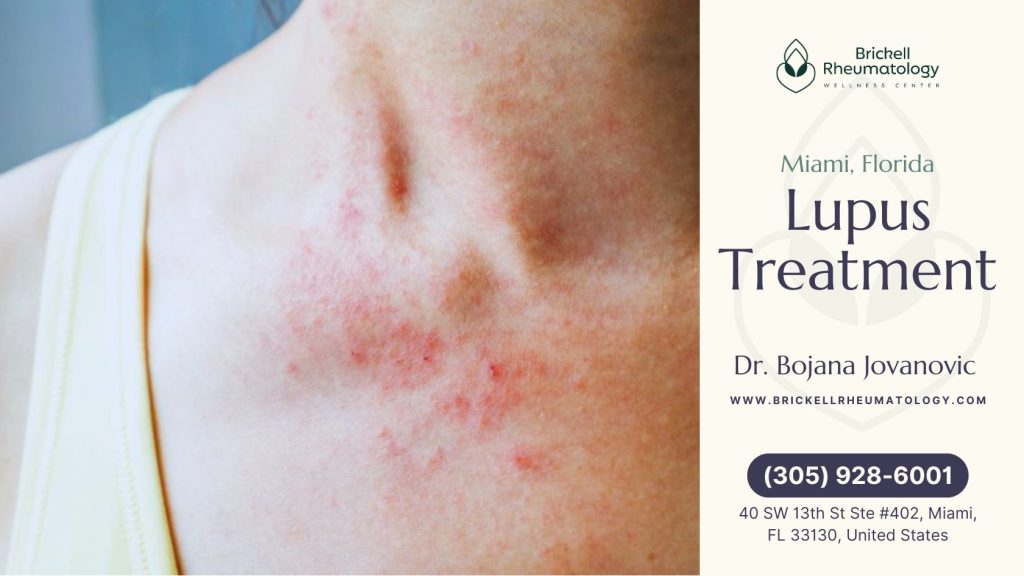
CLE primarily affects the skin, appearing as rashes or lesions—often triggered by sun exposure. Dermatologic changes can be distressing, especially when they appear in visible areas, which is why we focus on prevention and protective strategies alongside medical care. With the right plan, many patients experience fewer flares and improved skin health.
Drug-Induced Lupus (DIL)
DIL occurs in response to certain medications (e.g., hydralazine, procainamide) and typically improves once the triggering drug is discontinued. Symptoms often resemble systemic lupus, though they tend to resolve with time and proper monitoring.
Neonatal Lupus
Neonatal lupus is rare and occurs in babies born to mothers with specific autoantibodies. Most symptoms (e.g., rash, blood count changes) fade within several months as the antibodies leave the infant’s system. When heart rhythm issues occur, coordinated care with pediatric specialists helps guide long-term well-being.
Lupus Treatment Options
Medications
NSAIDs (e.g., ibuprofen, naproxen) may help with pain and swelling. Monitoring helps reduce GI/kidney risks.
Antimalarials (e.g., hydroxychloroquine) are commonly used to help reduce flares and skin/joint symptoms; regular eye exams are recommended.
Corticosteroids can calm inflammation quickly. We aim for the lowest effective dose with gradual tapering when appropriate.
Immunosuppressants & Biologics (e.g., azathioprine, mycophenolate, belimumab) may be considered for organ involvement or higher disease activity, with regular follow-up for safety.
Lifestyle & Immune Support
Nutrition: Emphasize whole foods, vegetables, lean proteins, and omega-3s; limit highly processed, high-sodium, and high-sugar items.
Movement: Low-impact activities (walking, swimming, yoga) can support mobility and energy; pace activity to avoid overexertion.
Rest & Stress Care: Consistent sleep habits, mindfulness, and relaxation practices can help with fatigue and coping.
Complementary Options: Some patients explore acupuncture, massage, or mind-body practices alongside medical care. Discuss with your clinician to tailor safely.
Medical guidance is individualized. We collaborate with your other clinicians to align medications and supportive care.
Benefits of a Structured Lupus Care Plan
A thoughtful, tailored treatment strategy helps reduce inflammation, pain, and fatigue, allowing patients to move with greater ease and confidence. Consistent monitoring and supportive care may help protect organs and reduce long-term complications. Over time, individuals often experience better symptom stability and greater ability to participate in daily activities they enjoy.
What to Look for in a Lupus Practitioner
Autoimmune Knowledge & Functional Perspective: Familiar with lupus and immune pathways; considers potential triggers (inflammation, stress, diet, gut health) and integrates supportive strategies alongside physician-directed care.
Individualized, Patient-Centered Plans: Listens, reviews history and labs, identifies triggers, and tailors a plan that may include medications coordinated with your doctor plus nutrition, sleep, movement, and stress support.
Long-Term Focus: Aims to reduce flares and protect organ health over time through sustainable lifestyle changes, monitoring, and step-by-step adjustments.
Why Patients Trust Brickell Rheumatology Wellness Center
Dr. Bojana Jovanovic dedicates time to truly understand each patient’s needs, creating individualized wellness programs that include medical guidance, nutritional insight, and lifestyle strategies. As a solo practitioner, she offers continuity of care and consistent support, allowing patients to build a meaningful relationship with their physician. Her calm approach and focus on long-term well-being help patients feel confident in their treatment path.